









Many people see beautiful examples of oak sheds or luxury canopies and think, “I want that too!” Of course, you can hire a carpenter, but with the right
Cyber Monday: Today only up to 70% off > View offers


Do you have a question about a product or can we help you with anything else? Our team is available from Monday to Friday from 09:00–12:00 and 13:00–16:00.
Checkout using your account
Checkout as a new customer
Creating an account has many benefits:
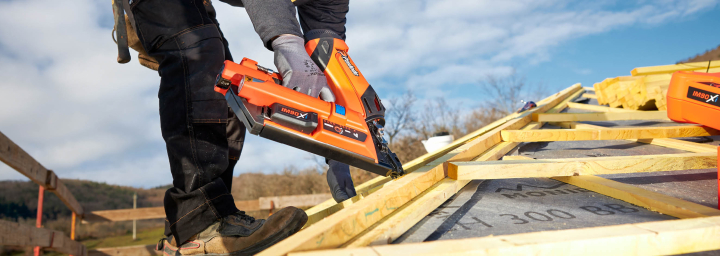
Carpenters shape and assemble the structural and finishing elements that define buildings, interiors, and bespoke installations. From first fix framing and roofing to second fix joinery, cabinetry, and site fit-outs, their work demands accurate measurement, controlled cutting, secure fixing, and clean finishing. Jobs are often performed under time pressure, across changing site conditions, and to tight tolerances set by drawings and building regulations. Precision, repeatability, and consistent quality are fundamental; dependable professional equipment helps maintain alignment, clean edges, square joints, and stable assemblies across varying materials such as hardwoods, softwoods, sheet goods, and composites.
Professional standards in carpentry revolve around structural integrity, dimensional accuracy, and surface finish that meets specification and inspection criteria. Reliable, well-maintained equipment supports straight, square, and splinter-free results; reduces rework; and safeguards fit and function for doors, frames, stairs, and built-in furniture. Consistent performance improves productivity on site and in the workshop, helping professionals meet project schedules, coordinate with other trades, and protect their reputation. The right setup also minimises material waste, ensures repeatable joints, and maintains compliance with safety and building standards across residential, commercial, and heritage contexts.

Carpentry continues to blend traditional hand skills with digital planning, prefabrication, and precise on-site installation. Ergonomics and safety are central, with growing attention to dust control, vibration reduction, and balanced handling to sustain long-term health. Efficiency gains come from better layout methods, accurate templating, and process sequencing that reduces adjustments after fit. Looking ahead, the focus remains on precision, durability, and long-term performance: components that fit first time, assemblies that remain stable through seasonal movement, and finishes that withstand daily use—all supported by rigorous workmanship and disciplined maintenance routines.